
I grew up in a town of about 6,500 people — Pratt, KS. It was a rural community and I lived right in the middle of the cultural dynamics there. I’ve always told people I grew up as close to the farm as you can without growing up on it. My dad, my uncle, my grandfather—they were all co-op managers. My siblings and I spent plenty of time in scale houses and elevators, especially during harvest.
And if you’ve been around it, you know this: rural organizations run on relationships. You know your customers. You know their families. You know who’s having a good year and who’s not. And when things get busy—when the trucks are lined up and tempers get short—you figure it out. Not because the policy manual tells you how, Because the system depends on it.
That’s one side of what I’ve started to call the Rural Leadership Paradox.
The same relationships that make these organizations strong are the ones that make them hard to lead.
Because those relationships don’t go away when decisions get tough. They get heavier. I’ve seen rural organizations handle this well. I’ve also seen them struggle—especially when pressure hits. Inconsistency creeps in, exceptions get made. and decisions feel uneven. Not because people don’t care, but because they do. And THAT’s what make it so difficult.
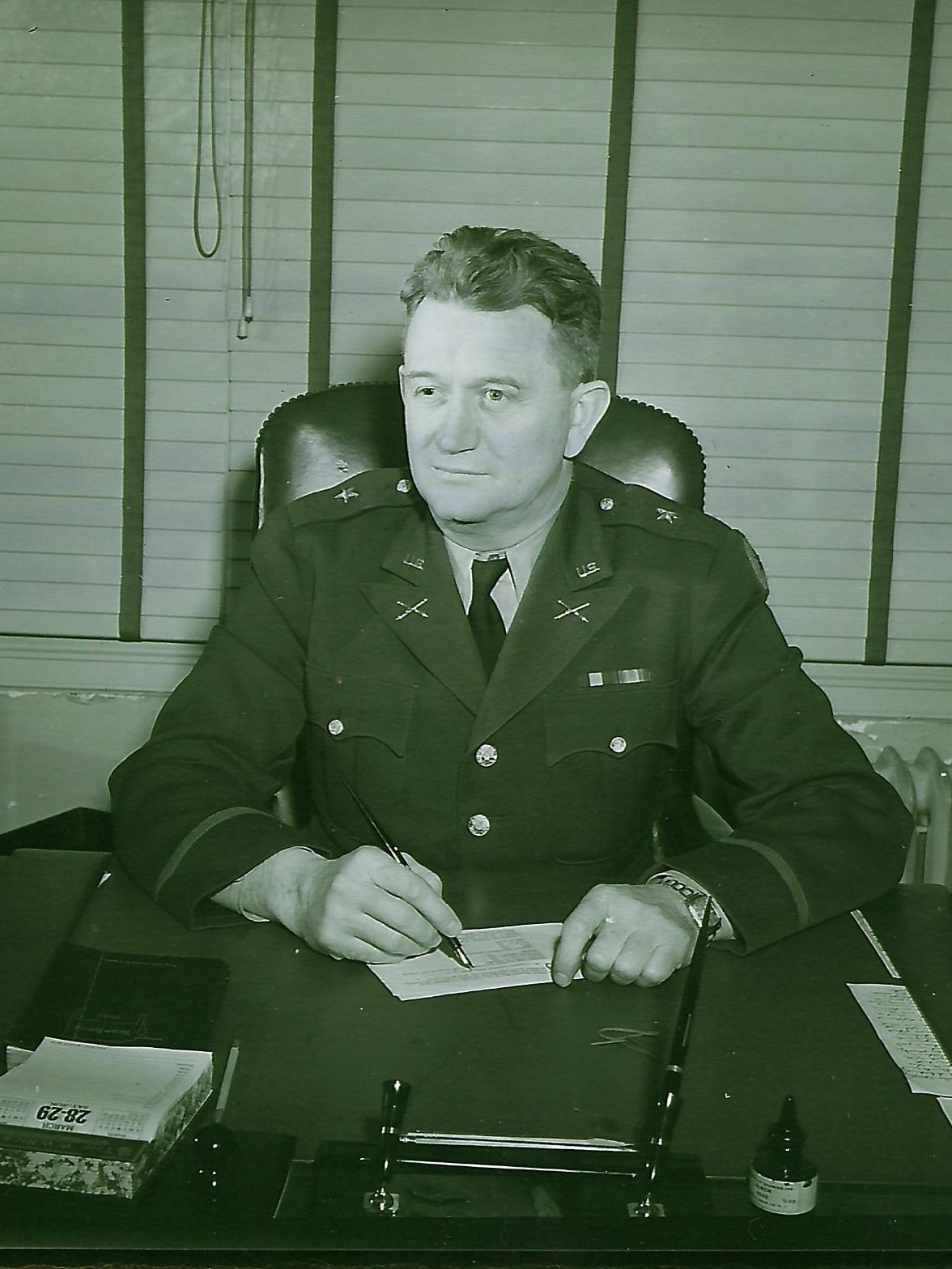
It’s also what brought me back to a figure most people have never heard of: Lewis B. Hershey. Maybe that’s too strong of a phrase. Men of my father’s generation, if you ask them, almost ALWAYS know two things: their draft lottery number and who General Hershey was — because he was the public face of the draft.
National Archives and Records Administration
For most of WWII and through the end of the draft during Vietnam in the early 1970s, Hershey was responsible for running the Selective Service System. On paper, it was straightforward: register, classify, and assign millions of men into military service. In practice, it was anything but. Decisions weren’t made in Washington. They were made by thousands of local boards across the country—people applying national policy at the community level. And those communities looked a lot like the ones I grew up in.
People knew each other. They knew family histories. They knew reputations. They knew who they were sending—and who they weren’t.
And just like in a rural business, that created tension. The system required consistency but the people administering it were embedded in relationships. Hershey couldn’t eliminate that so he had to manage it. He knew that the draft wouldn’t be popular (I mean, seriously, can you find anyone who wants to be drafted?) so he had to balance military necessity with social and cultural beliefs.
Too much rigidity, and the system would lose legitimacy at the local level. Too much flexibility, and it would lose credibility at the national level.
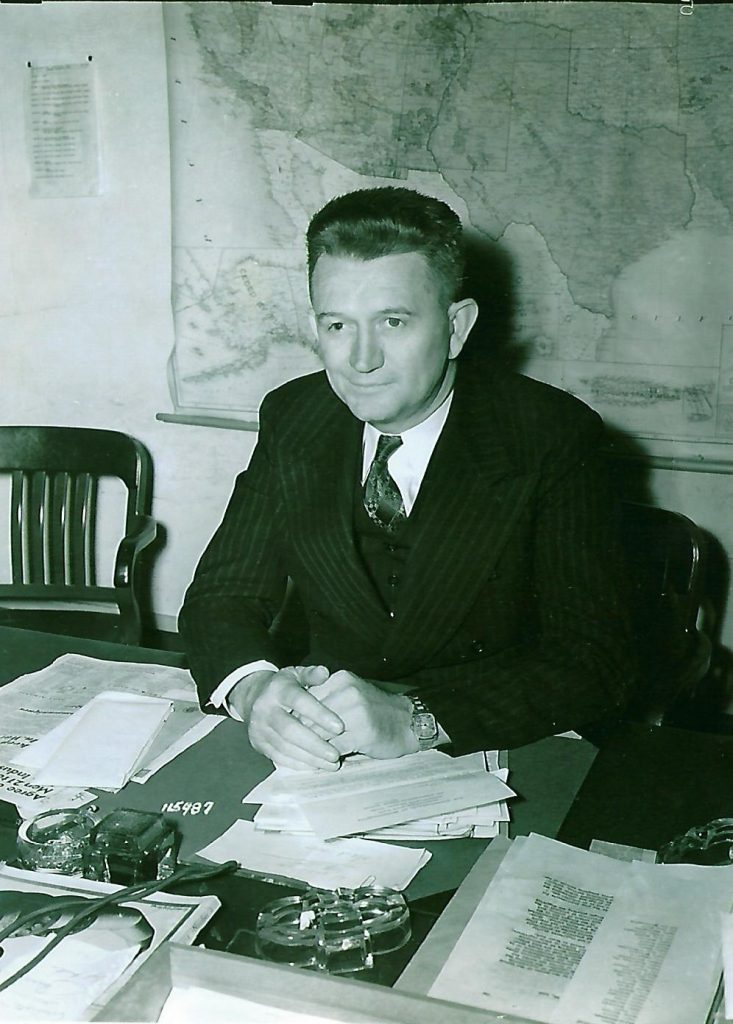
General Hershey would go so far as to wear a civilian suit when he appeared in civilian settings to diplomatically reassure Americans that the draft boss was no different than the civic leaders on the local boards (though he always appeared in full uniform when testifying before Congress).
National Archives and Records Administration
So the entire system operated in that space in between the government and the people and Hershey, until his later Vietnam years, was brilliant at navigating through it.
That’s the paradox and it’s the same one rural leaders face today.
You need consistency, but you operate in environments where:
- Everyone knows everyone
- Every decision has a history
- And every exception sets a precedent
So what happens?
Policies exist—but they’re interpreted.
Standards are set—but they flex.
Decisions are made—but not always the same way twice.
Not because leaders are weak.
Because they’re human.
And because the system they’re leading is built on relationships, not distance.
That’s what makes rural leadership different. And that’s why it’s so difficult. You don’t get the luxury of clean, impersonal decision-making. You have to look people in the eye and live with the consequences. And you have to maintain a system that people believe is fair—even when they don’t like the outcome. And remember, a person’s perception is their own reality, which is a whole other ball of twine to unravel.
That’s what Hershey was doing at a national scale. It’s what co-op managers, boards, and agribusiness leaders are doing every day. The question isn’t whether you’ll face that tension, because you will. The question is whether your system can hold up under it.
When pressure gets put on your systems, customers and stakeholders don’t file complaints. They lose confidence. They start working around the system instead of within it or looking for other providers.
And once that happens, it’s hard to get back. That’s the Rural Leadership Paradox.
Relationships are your greatest strength and present your greatest challenges.
Leading well means learning how to operate in both realities at the same time.